Large EPC (Engineering, Procurement and Construction) projects rely heavily on efficient material handling. Every delivery, inspection, storage decision, and movement across the site plays a role in keeping the wheels turning. As the busy, festive season approaches, however, even the best-run logistics functions can face unique strains. Reduced staffing, increased supplier activity before year-end, and winter weather challenges can create bottlenecks. It Is always good to be well prepared, even for the less likely scenarios.
In this article, we look at the seasonal challenges that a large project may face, and share practical tips for managing material flows during December and early January. LogiNets’ MHS Material Handling System has been designed to bring clarity and control to complex logistics environments. With over 20 years in the industry, we have faced and conquered many challenges.
Seasonal Challenges and Best Practices in EPC Material Handling in the Festive Season
Reduced Workforce Availability
December typically brings with it a drop in available warehouse personnel, equipment operators and supervisors. It is the time of year that teams like to take their well-earned holiday leave. With fewer hands on deck, tasks such as receiving, issuing and transporting materials can slow down. Staffing needs should be planned well in advance, so the project will be prepared and adjusted to the season. Temporary labor or subcontracted support may be needed to fill gaps.
Year-End Delivery Peaks
Many suppliers target year-end delivery milestones, which can lead to an influx of inbound shipments arriving in a short time. Without proper coordination, warehouses and laydown areas can become congested, increasing the risk of delays and material mix-ups.
It is a good practice to sit down with procurement teams and suppliers to map incoming deliveries. Forecasts can then be fed directly into your project software, allowing warehouse teams to see expected inbound volumes and prepare capacity in advance. Staggered delivery scheduling helps avoid unnecessary bottlenecks.
Bottlenecks in Storage Areas
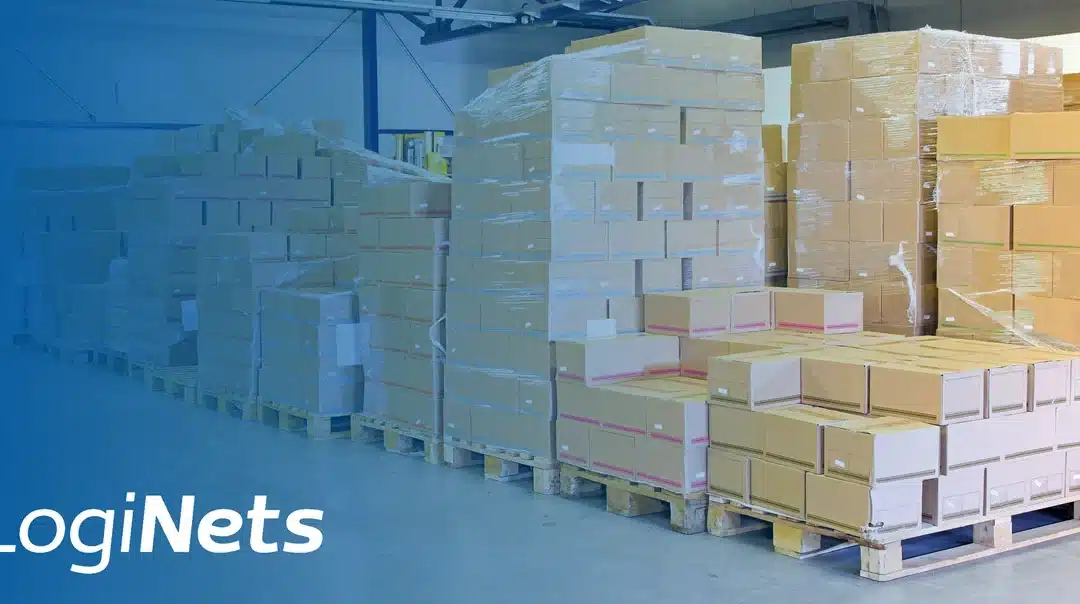
Crowded laydown areas are a common issue in warehouses during the festive season. As inbound traffic increases and key people are away, materials may pile up in temporary or unintended spots, making retrieval harder and slowing down construction work.
Not all materials carry the same schedule impact. By tagging all items in your project with QR-codes, teams can ensure fast handling, inspections and booking in for all items. The arriving items only need to be scanned once, and they can be found in the system. The reacting times are shortened this way, making the process run more efficiently.
Winter Weather Conditions
The festive season coincides with harsher transport conditions. Ice, snow and reduced visibility can affect delivery reliability and create safety risks for on-site handling and lifting operations. Keep a close eye on the weather forecast and plan accordingly. A little buffer time goes a long way. Ensure unloading areas are safe, well-lit and slip-free. Build contingency into delivery plans, especially for oversized or long-distance shipments. Modern digital systems help track delays and update stakeholders quickly if schedules shift unexpectedly.
Operational Adjustments
Strengthen Warehouse and Laydown Area Organization. A well-organized warehouse is the backbone of festive-season efficiency. Clear labelling with visual signs marking the storage area, accurate stock locations and visibility over temporary storage ensure materials can be located quickly, even with a smaller team. LogiNets’ MHS supports structured location management and prevents materials from “disappearing” into crowded areas.
Use Digital Tools for Real-Time Visibility. The festive season often exposes gaps in manual processes. With LogiNets’ MHS, all material movements, reservations, arrivals and issues are visible instantly. Real-time transparency helps reduce errors, speeds up searches and supports efficient coordination between field teams, supervisors and the warehouse.
Communicate Actively with Suppliers and Contractors. Share your site’s operating hours, shutdown periods and receiving capacity well in advance. Suppliers need clear guidance to adjust their shipping plans. MHS provides shared views and automated notifications that help keep all parties aligned, even when teams are partially on holiday.
Extended or Adjusted Warehouse Hours. Where possible, shift patterns or extended opening times before the holidays can help handle delivery peaks. Clear task lists and warehouse queues in digital form can help keep everyone on track and the work load manageable.
Temporary Freeze for Non-Critical Deliveries. To avoid clutter, many EPC sites introduce a freeze period for low-priority shipments. MHS supports this by helping categorize materials, view what is genuinely needed, and prevent unnecessary arrivals during the busiest weeks.
Increased Safety Focus. Seasonal workers and changing conditions increase operational risk. Short, frequent safety briefings for warehouse and logistics teams help maintain safe and compliant workflows. The briefings can be supported by digital task confirmations.
Conclusion
The festive season doesn’t have to disrupt material handling in large EPC projects. With early planning, structured communication and real-time visibility, sites can continue operating efficiently even with reduced staffing and seasonal delivery pressures.
LogiNets’ MHS Material Handling System is designed precisely for these moments; bringing order to complex logistics, preventing bottlenecks, and supporting uninterrupted project execution.
If you’d like help optimizing your site’s material handling for the upcoming festive season and beyond, the LogiNets team is here to support you.
Did you like this article? You might also enjoy these articles:
- Productivity in megaprojects – the 9 root causes of poor profitability
- Material efficiency in capital projects
- New trends in material deliveries to capital projects – how are suppliers responding?